No. HRT works most reliably against so-called vasomotor symptoms like hot flashes, night sweats, and sleep problems, as well as vaginal dryness. For other symptoms like joint pain or mood swings, many women report improvement, but the effect is less clearly proven scientifically. Whether HRT makes sense for your individual symptoms is best clarified in conversation with your doctor.
Initial improvements in hot flashes and night sweats can appear within a few days to weeks. It can take several weeks to months for hormone levels to fully stabilize and for the right individual dosage to be found.
No. HRT is generally used for as short a time as possible and as long as necessary – often for a few years, until the strongest symptoms have subsided. Together with your doctor, it's reviewed at least once a year whether the therapy should continue, be adjusted, or end.
Yes. Estrogen helps maintain bone density, which is why HRT can also be used as a preventive measure against osteoporosis, especially in early menopause. This protective effect is one of the reasons medical societies almost always recommend HRT for early hormone deficiency.
With longer use (over five years), a slightly increased risk of breast and uterine cancer, blood clots, and cardiovascular disease is possible, along with a slightly increased stroke risk – especially with smoking, high blood pressure, or high cholesterol. Starting therapy early, before age 60, is considered significantly lower risk.
HRT is generally not recommended for those with a current or previous hormone-dependent cancer, blood clots or severe liver disease, unexplained vaginal bleeding, or a history of stroke. Your doctor will assess individually whether any of these contraindications apply to you.
The risk can be slightly increased with longer use, especially with combined estrogen-progestin therapy. Older studies like the WHI study overstated this risk in some respects, as they examined high-dose preparations that are rarely used in Europe today. Regular breast cancer screenings remain especially important during HRT.
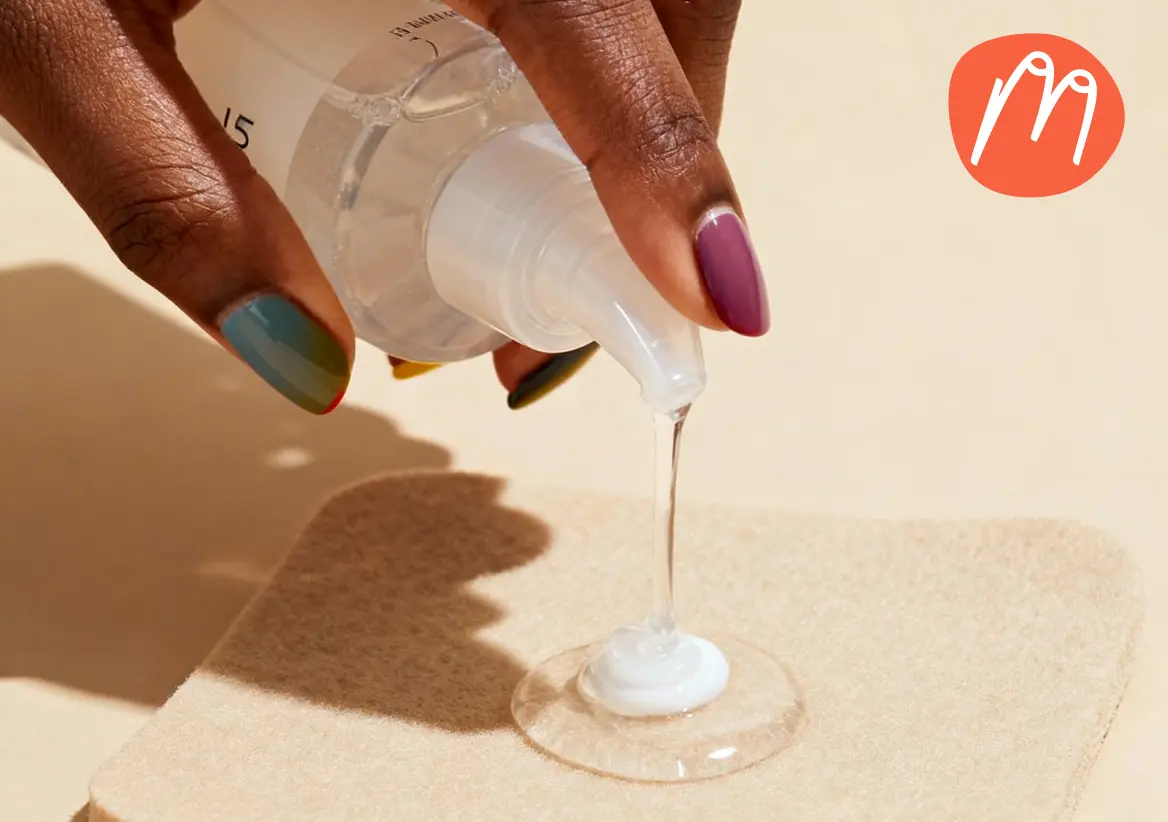
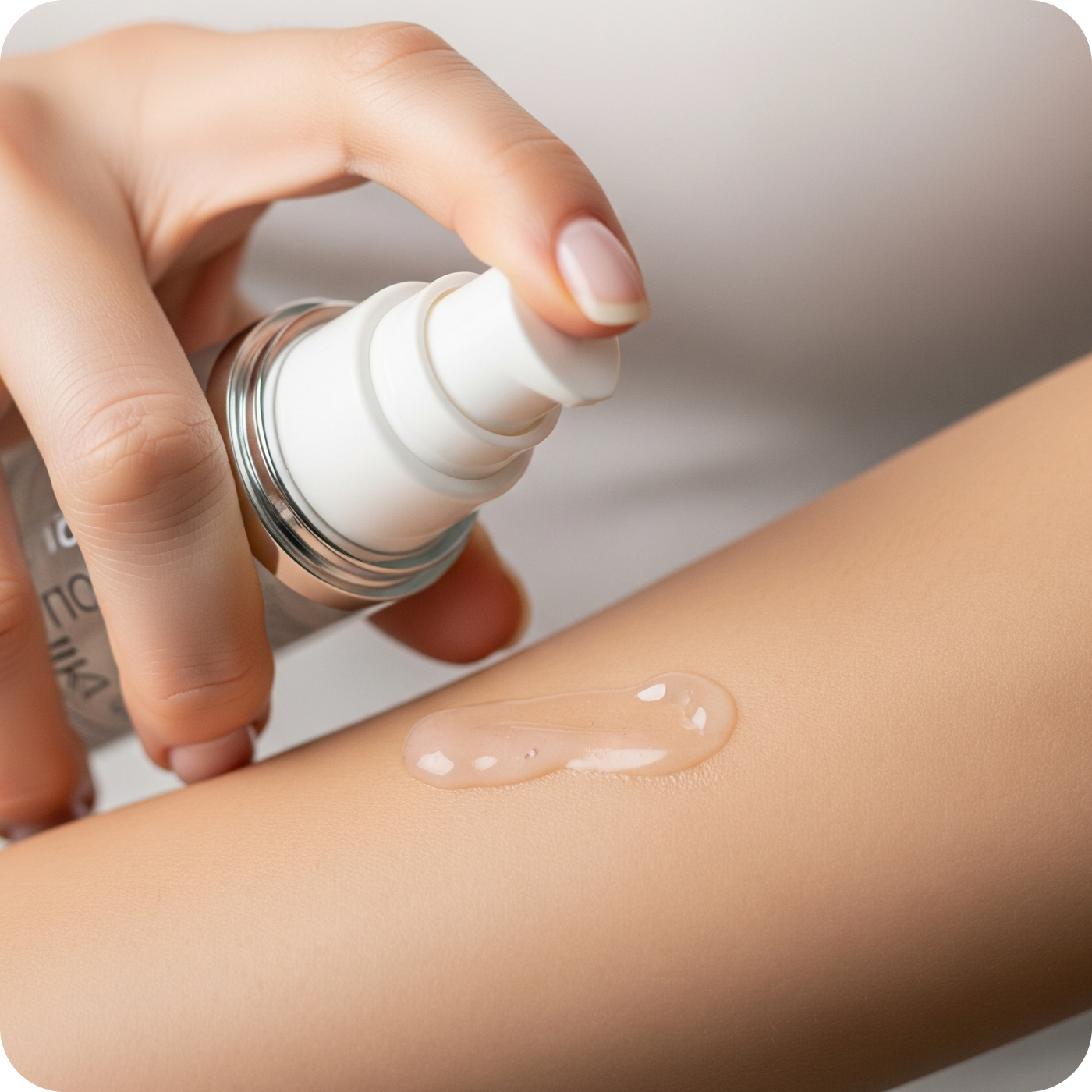
With transdermal application (patch, gel, spray), hormones enter the bloodstream directly through the skin, bypassing the liver. Studies suggest this doesn't increase clotting risk compared to tablets – which is why this form is often considered lower risk.
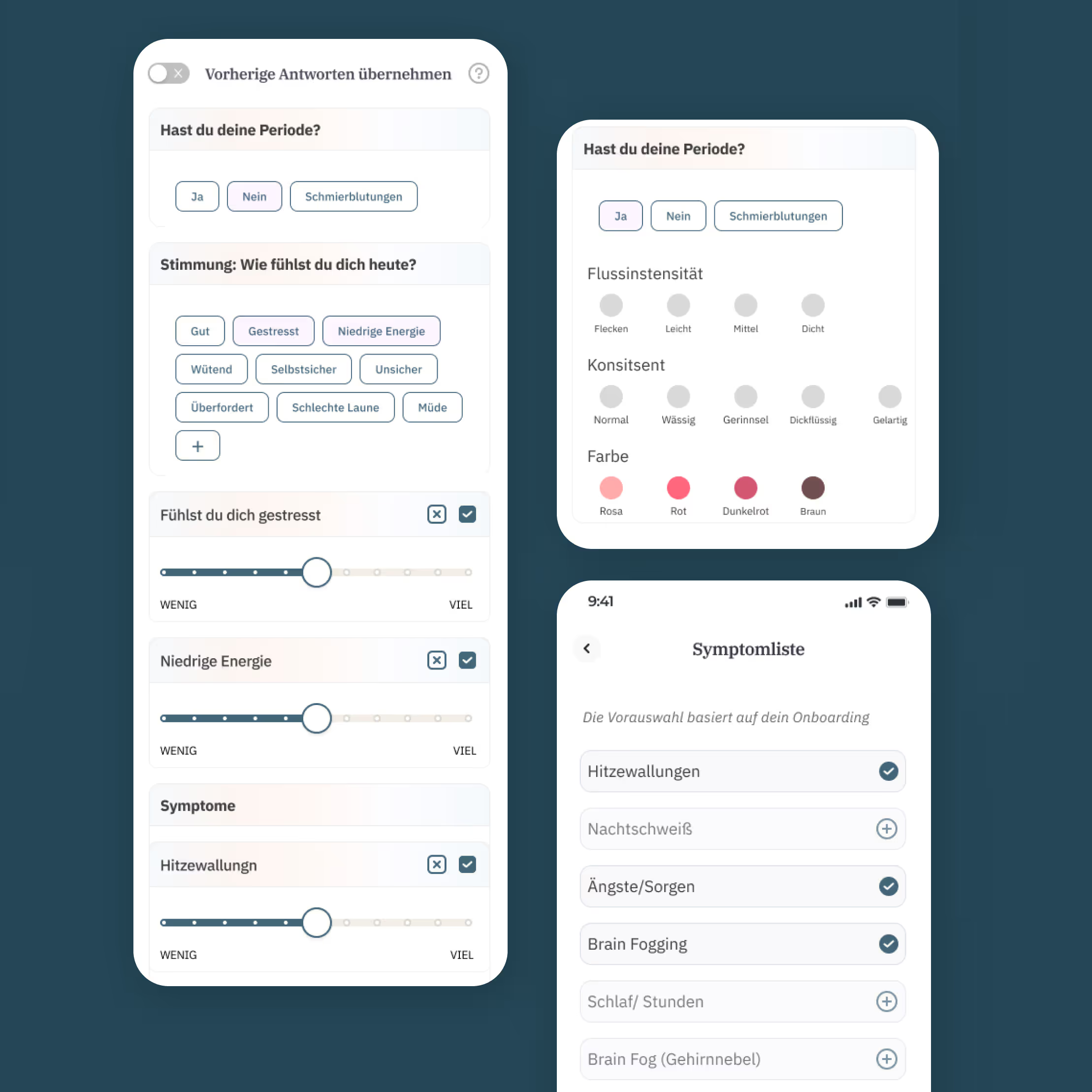
Therapy usually starts with a low dose, adjusted gradually as needed. It can take some time to find the right form and dosage for you – close contact with your doctor in the first few months is helpful. Through the hermaid app (download.hermaid.me) you can book a 30-minute online appointment with a doctor directly and, if medically appropriate, get a private prescription right away. We're currently working on making it possible to also process e-prescriptions covered by statutory health insurance directly online.
Yes. Depending on your symptoms, options like herbal remedies, lifestyle adjustments (exercise, diet, sleep hygiene), or non-hormonal medications may help. Which alternative makes sense depends on your individual symptoms and risk factors.
At least once a year, it should be checked whether the therapy can continue, be adjusted, or end. This also includes regular gynecological checkups, including breast cancer screening, as well as blood pressure and general health checks.
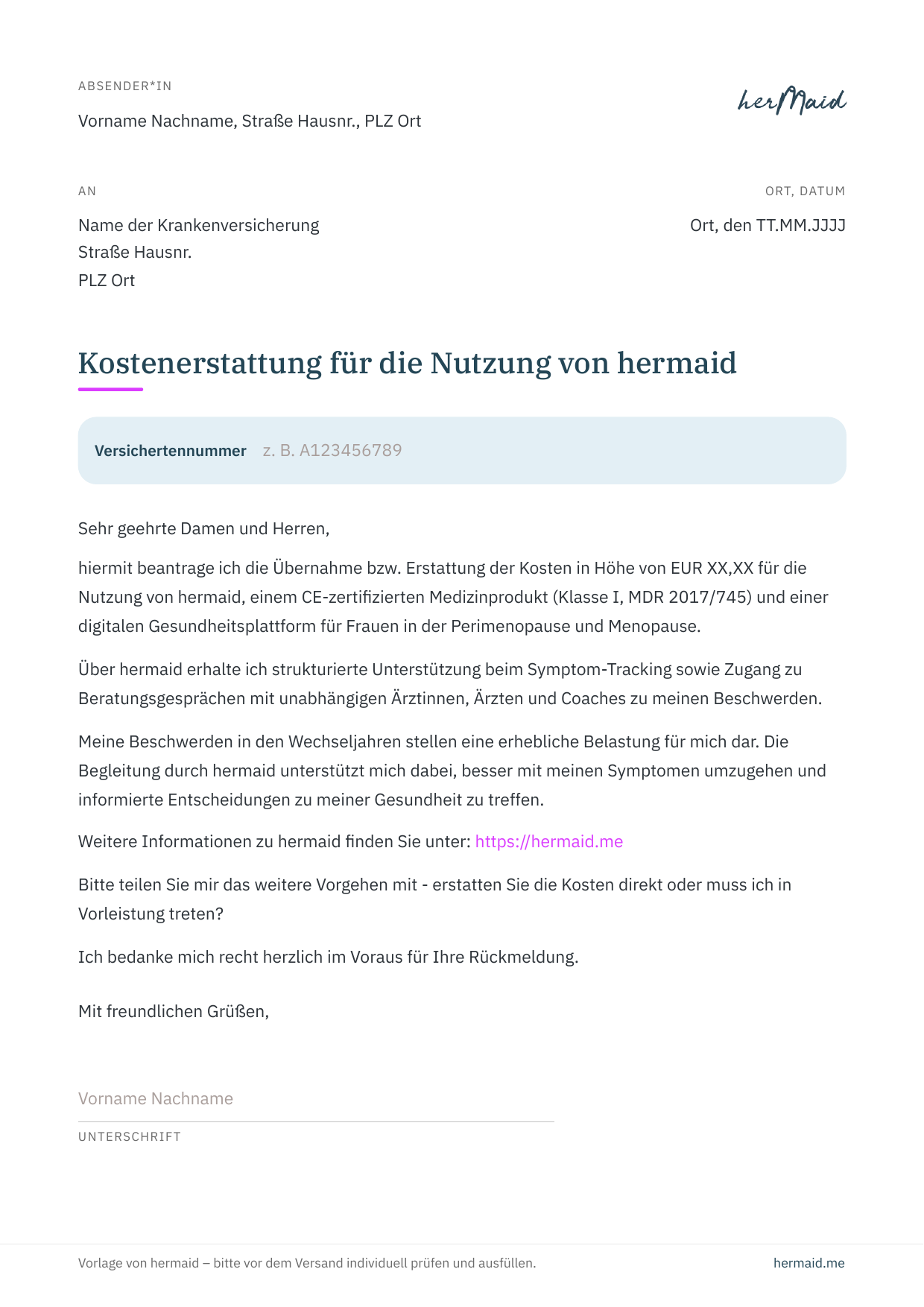
That depends on the specific preparation and your health insurer. Some HRT preparations are covered by statutory health insurance when medically indicated, while others must be paid for privately. With the hermaid app (download.hermaid.me), you can already get a private prescription today. We're currently working on a solution that will let you process e-prescriptions covered by statutory health insurance directly through the app in the future.
hermaid helps you better understand your symptoms and prepares you specifically for the conversation with your doctor. The final decision for or against HRT is always made by the treating doctor together with you. Download the hermaid app at download.hermaid.me, book a 30-minute online appointment with a doctor directly, and use the built-in practice finder to find doctors near you with experience in menopause care.
Bioidentical hormones have the same chemical structure as the body's own hormones and are processed accordingly. Synthetic hormones are similar to the body's own hormones but differ slightly in chemical structure. Which option is right for you is something you decide together with your doctor.

Get medically grounded guidance
– without pressure, without overwhelm.