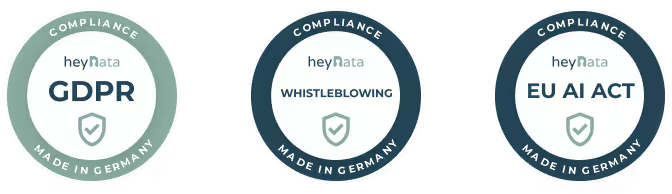
Yes. hermaid is a CE-certified Class I medical device under MDR 2017/745. The medical content is developed and reviewed by a medical team before going live.
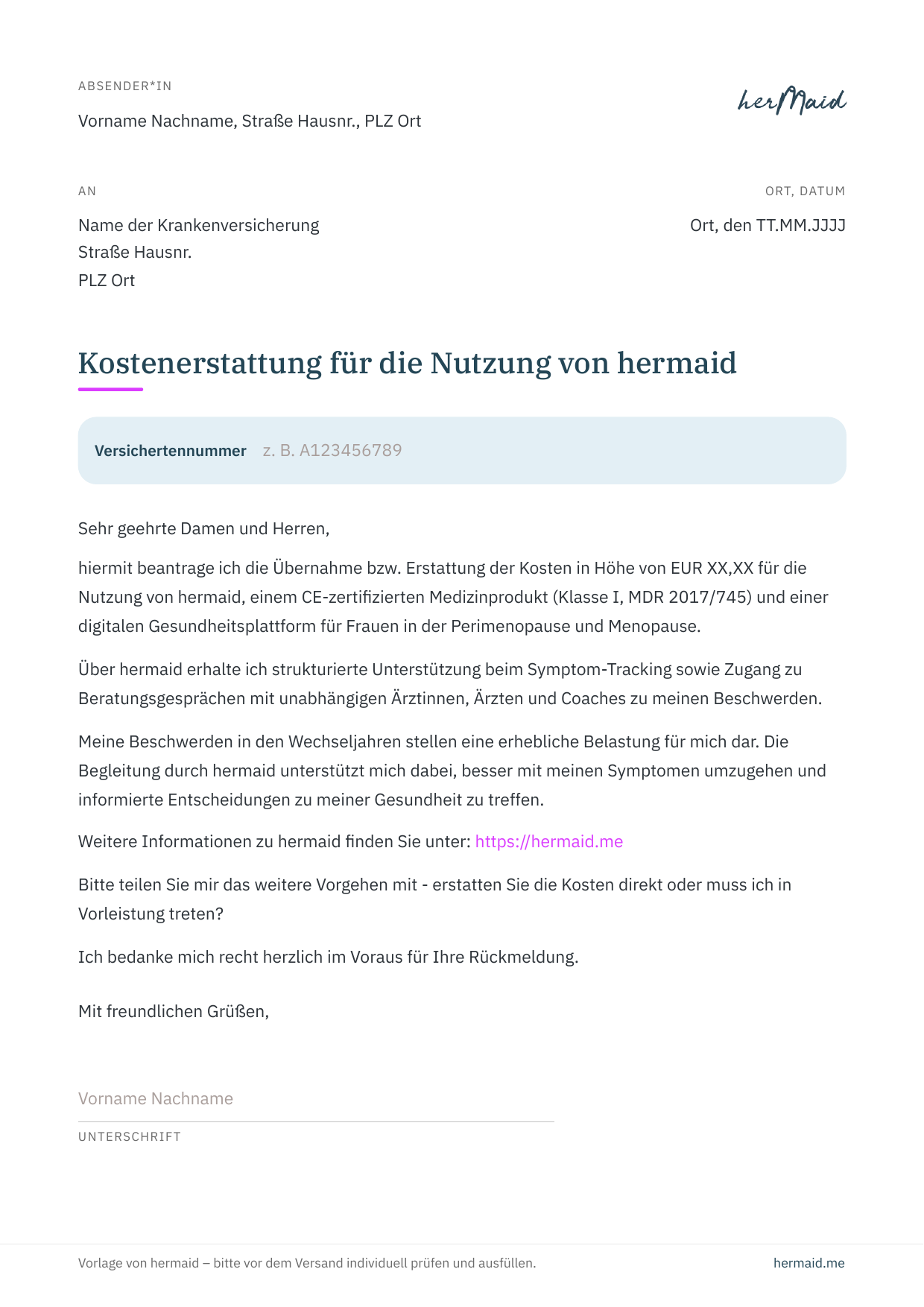
hermaid is not currently a listed DiGA under § 33a SGB V. The app is a CE-certified Class I medical device under MDR 2017/745 and can be provided independently of the DiGA directory through individual contracts with health insurers.
We'll clarify details on contract terms and possible pilot phases in a personal conversation – feel free to book an intro call directly.
hermaid is aimed at women in peri- and postmenopause, typically between 40 and 65 years old – the life stage with the greatest unmet care need and the highest downstream costs when left untreated. This includes both women with suspected hormonal symptoms without a prior diagnosis and women with an existing diagnosis, such as ICD N95.-, seeking everyday support.
Yes, hermaid works with statutory and private health insurers. We're happy to discuss individually whether a connection through your company health insurance is possible.
Collaboration happens through individual contracts – such as a selective contract, a prevention program, or a pilot project. We'll discuss billing details in a personal conversation, tailored to your existing contract structure.
Yes. Many partnerships start with a limited pilot phase to test the value for your member base before scaling up.
Most commonly: selective contracts under § 140a SGB V, standalone prevention programs, or time-limited pilot projects. We'll figure out together which model fits during the intro call.
hermaid requires no IT integration on the insurer's side. Once the contract is signed, rollout to your members can happen quickly.
Currently the focus is on German-speaking countries (DACH). The app will also be available in English starting in September. We can easily add any language you need! If you're interested in international expansion, feel free to reach out.
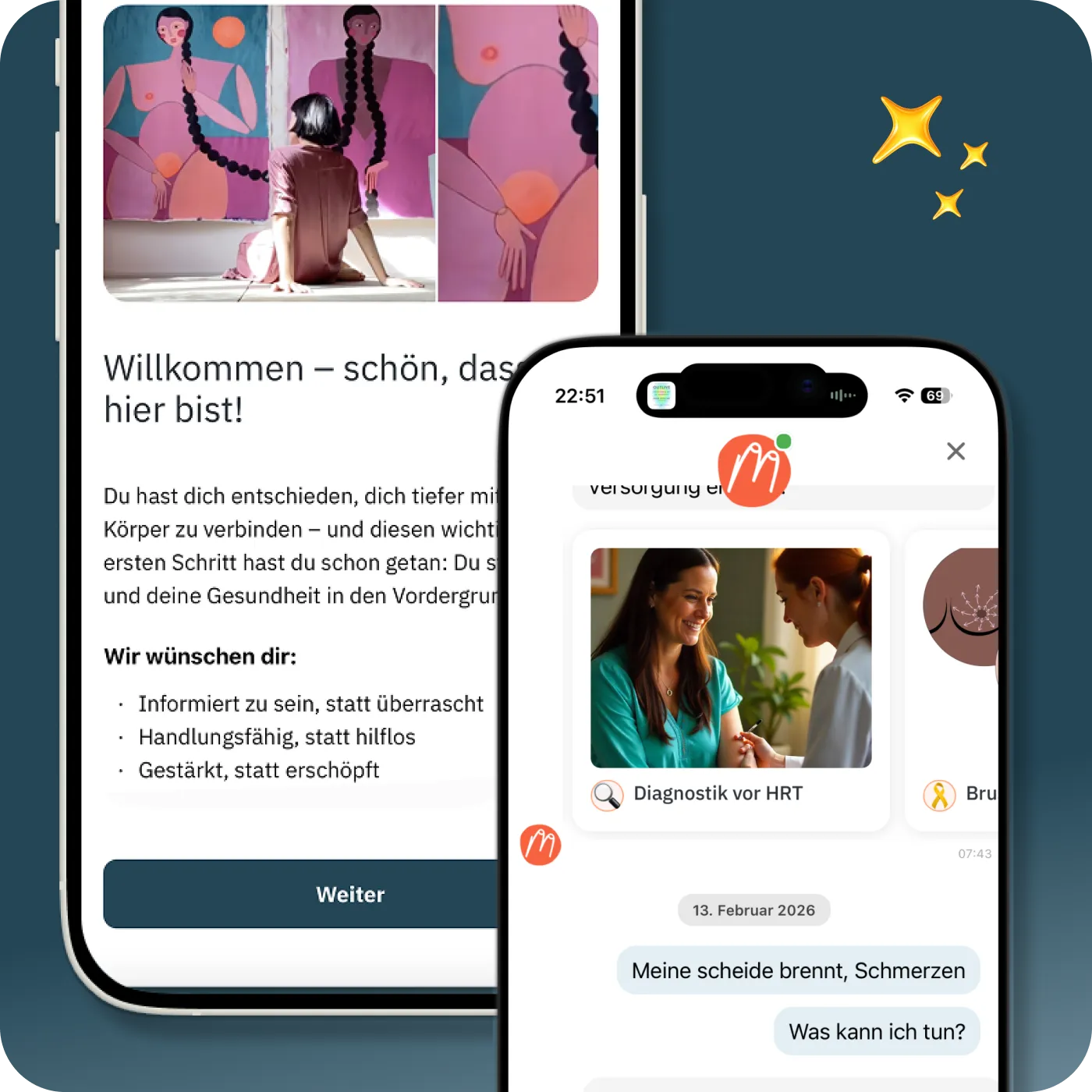
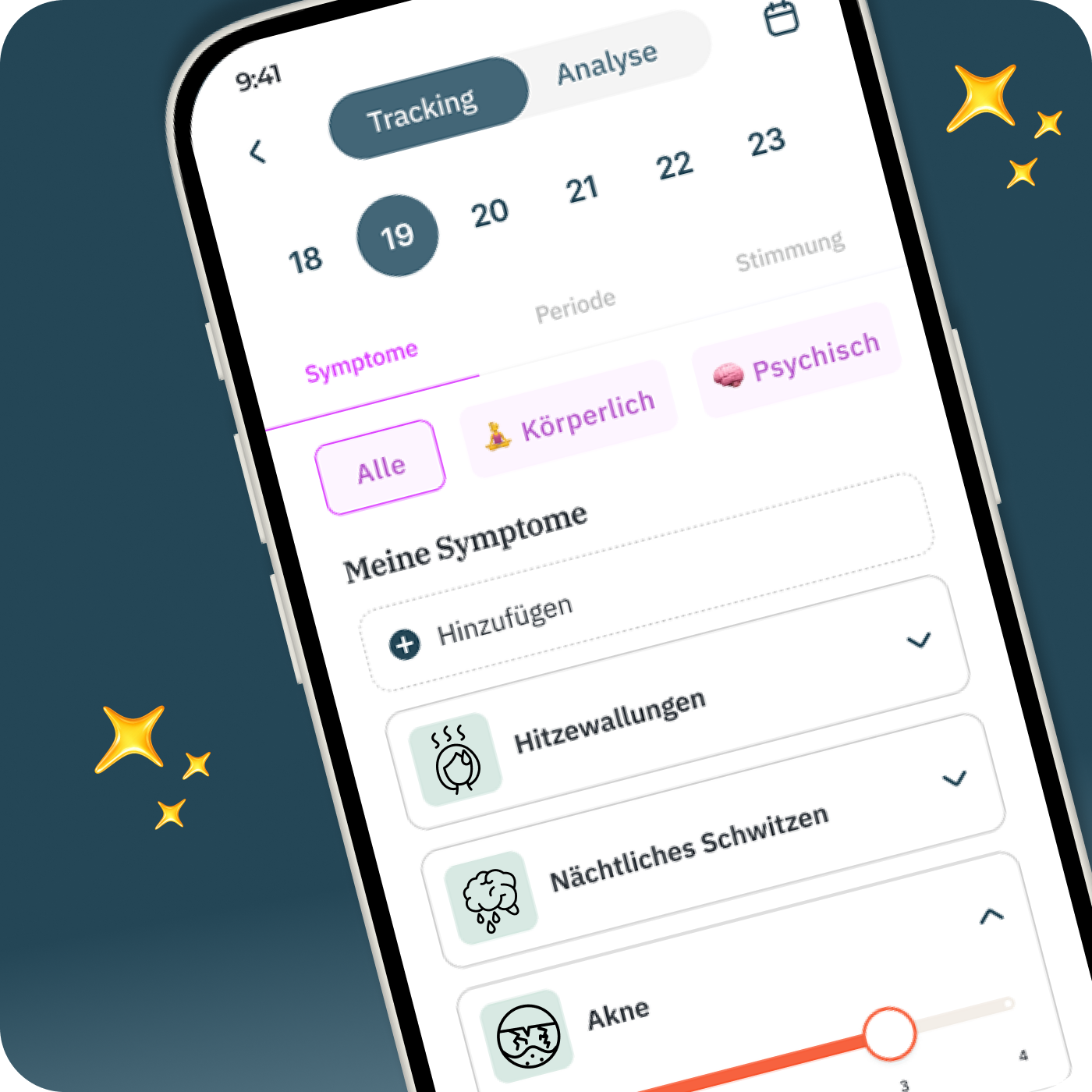
The care pathway has three steps: screening and classification of symptoms, regardless of diagnosis status; ongoing support with knowledge, self-guided modules, and medical consultation as needed; and targeted referral to the right specialist when a specialist visit is actually needed, instead of an undirected doctor search with no pre-selection.
hermaid follows a "digital before outpatient" approach: in the app, users first get access to licensed doctors and health coaches for questions about symptoms, diagnostics, and treatment options – low-barrier and without long wait times. This clarifies whether and when an additional specialist visit makes sense. Whether this is included depends on the contract model.
You receive only anonymized, aggregated analytics on symptom trends, risk profiles, and care needs – never personal health data of individual members.
AI is used exclusively to support the users themselves (e.g. to help process information). Data entered is not used to train AI models.
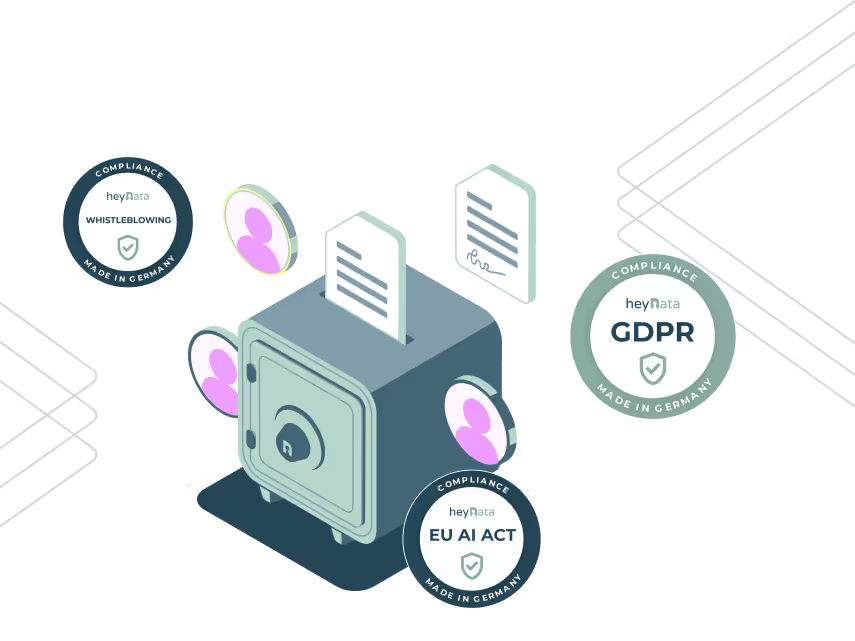
All data is encrypted and stored exclusively on servers in Germany. hermaid is fully GDPR-compliant and is regularly audited for data protection and information security.
No. Personal health data is not shared with third parties, not even with the insurer itself. You receive only anonymized, aggregated analytics.
Together with you, we define measurable metrics in advance – such as usage rate, symptom improvement, reduced absences, or fewer specialist visits. We evaluate these regularly, anonymized, and share the results with you transparently.
hermaid is a CE-certified medical device whose content is developed by a medical team and continuously reviewed against current research. We also work with scientific partners on our own research into hormonal health.
Through regular, anonymized reports on usage, symptom trends, and satisfaction among your members – as a basis for a fact-based evaluation of the partnership.
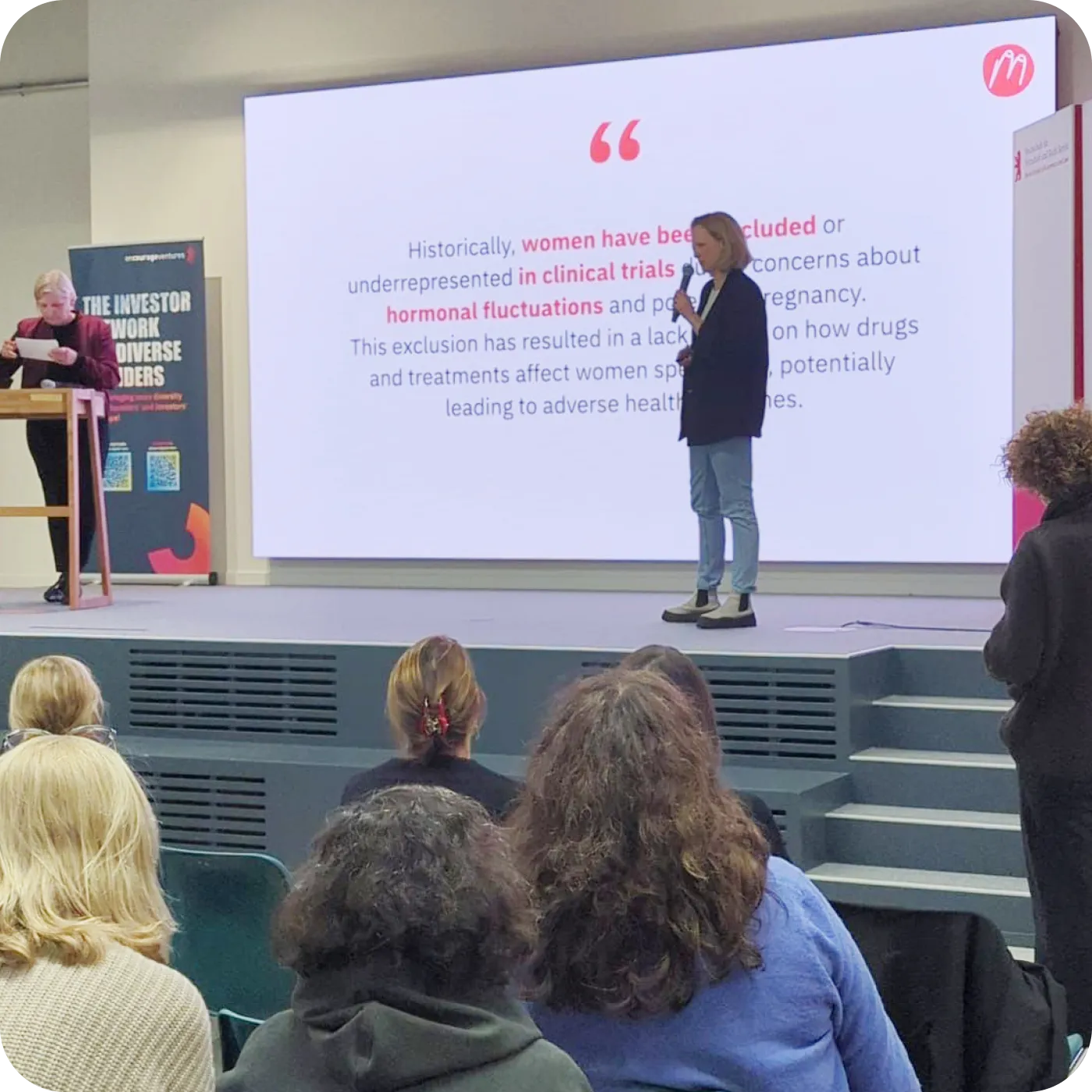
Yes. hermaid is working, among other things, with the Gender Research Department at Charité Berlin on a study of the relationship between hormonal change, working conditions, and sleep quality.
The actual usage rate depends on communication and integration within each group. We're happy to share benchmarks from comparable digital health offerings, as well as our own analytics, in a personal conversation.
Yes, initial analyses on usage and symptom trends are available from existing partnerships. We're happy to discuss specific figures individually, as they vary by group and duration.
We follow the principle of digital before outpatient: low-barrier digital support before a specialist visit becomes necessary. This is also the basis for the factors we focus on, such as reduced specialist visits, fewer absences, and avoided downstream conditions.
Our content is based on current, peer-reviewed studies on menopause and hormone replacement therapy. Our own research collaborations, such as with Charité Berlin, add to this through longitudinal data collection directly from usage.

Your personal contact for companies, demos, and implementation questions:
Eva Carle, eva(at)hermaid.me